
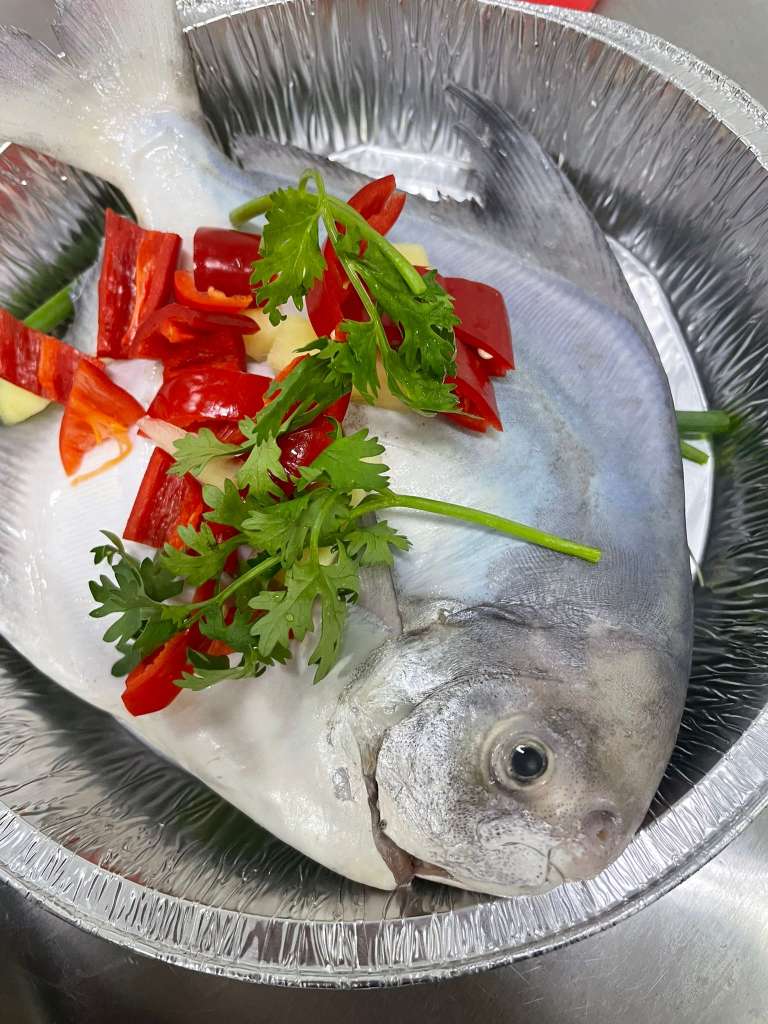
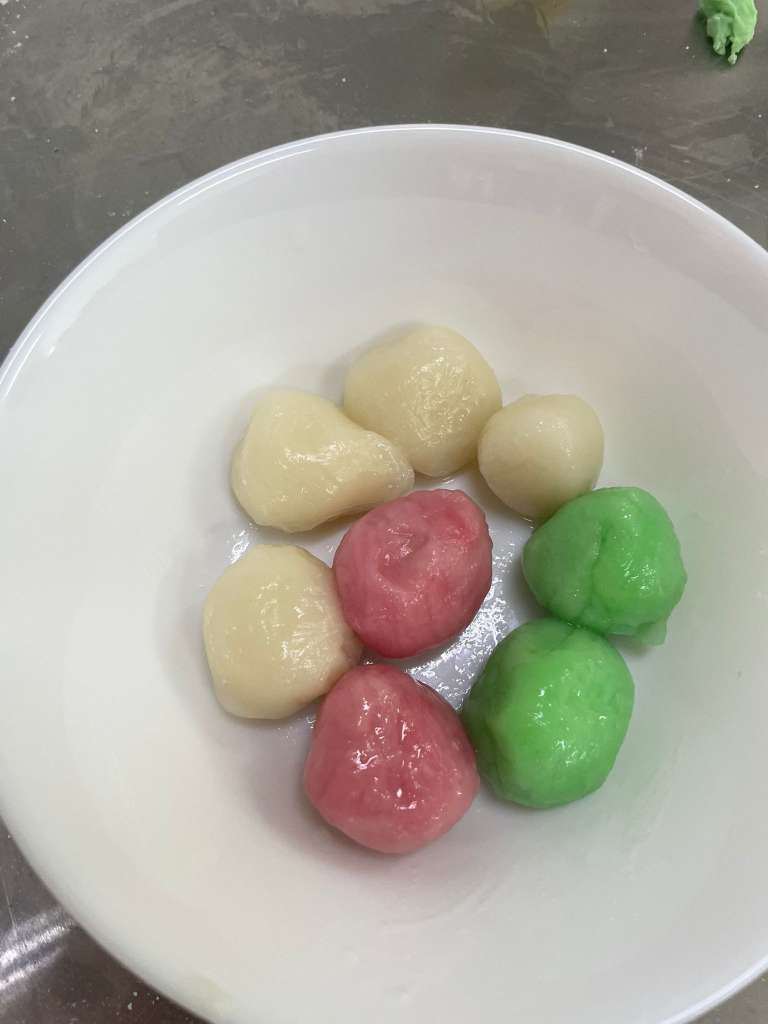
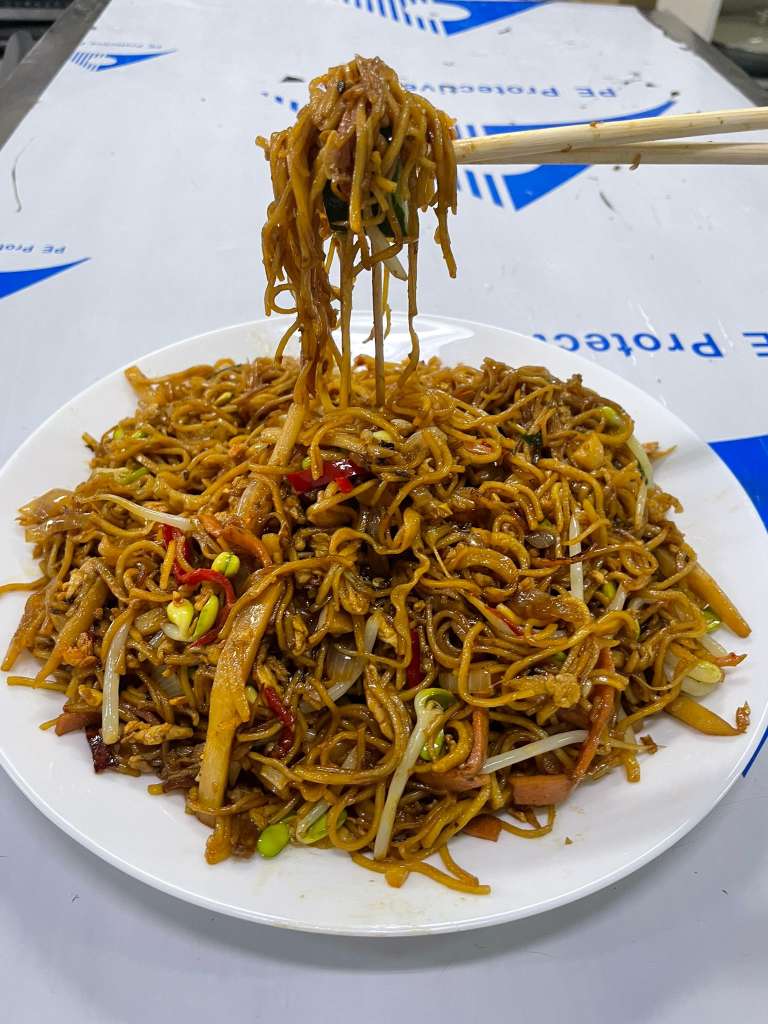
At the end of the day, it is about communication and understanding the methodologies.
In today’s fast-paced world, having a domestic helper who can prepare meals to your liking is a true blessing. But getting there takes more than just sharing recipes — it’s about communication, trust, and empowerment. Teaching your helper to cook the way you like not only saves time but also builds understanding, confidence, and harmony in your kitchen.
 Communicate, Don’t Command
The journey begins with communication, not instruction.
Before handing out recipes, take time to explain your personal taste preferences. Do you prefer your food less oily? Mildly spicy? Slightly sweet?
Encourage her to ask questions, take notes, and taste while cooking. The more she understands your palate, the closer the results will be to your ideal meal.
 Create a Simple “Taste Reference Guide”
Help her remember easily!
You can write a short note or paste a kitchen chart that says things like:
-
Fried Rice: Less soy sauce, more garlic.
-
Curry Chicken: Creamy, not too spicy.
-
Soup: Clear and light.
This quick guide becomes her daily reminder — a visual cue that ensures every dish stays consistent.
 Learn Together Through Observation
Cooking is best learned by doing and seeing.
Invite your helper to cook alongside you the first few times. Show her the right color of fried shallots, the aroma of sambal, or the perfect softness of rice.
If she’s comfortable, let her take short videos or photos for future reference. This makes learning fun and visual!
 Feedback is Key
Every cook improves through feedback. After each meal, share your thoughts gently. “Nice flavor! Maybe just a bit less salt next time.” “Perfect balance — this is exactly my taste!”
Positive and constructive comments help her feel confident and motivated.
 Progress Gradually
Start with the basics — your top 3 to 5 favorite dishes — and build from there. Once she masters those, move on to more advanced recipes.
You can even introduce baking or sauces next. Step-by-step progress ensures long-term consistency and skill development.
 Respect Cultural Flavors
Your helper may come from a different food culture — Filipino, Indonesian, Burmese, or others — each with unique taste profiles. Instead of forcing your flavors right away, try to blend both worlds.
Take her to try your favorite local dishes like chicken rice, nasi lemak, or sambal goreng, and explain what you like about them. It becomes a fun and meaningful cultural exchange.
 Give Her Ownership
Empowerment means trusting her creativity.
Let her try her own spin on a dish or suggest a new recipe. When guests compliment her cooking, tell her! That pride will motivate her to keep improving and caring about the food she makes for your family.
 Make the Kitchen a Space of Growth
Encourage curiosity. Let her experiment once in a while. Cooking isn’t about perfection — it’s about love, learning, and connection. A little patience and guidance go a long way toward making your meals uniquely yours.
Want to learn more how you can empower your helper to cook more for you, the dishes that you enjoy, visit www.walkerenterprise.com.sg
Conclusion
Empowering your maid to cook based on your taste isn’t just about training — it’s about building understanding. With patience, clear communication, and encouragement, your daily meals will taste just right, and your home will feel more harmonious and connected.
 #HomeCooking #Empowerment #DomesticHelperTraining #TasteMatters #HomeChef #CookingWithLove #WalkerEnterpriseAcademy #KitchenHarmony #F&BLearning #SingaporeHomes #CulinaryEmpowerment